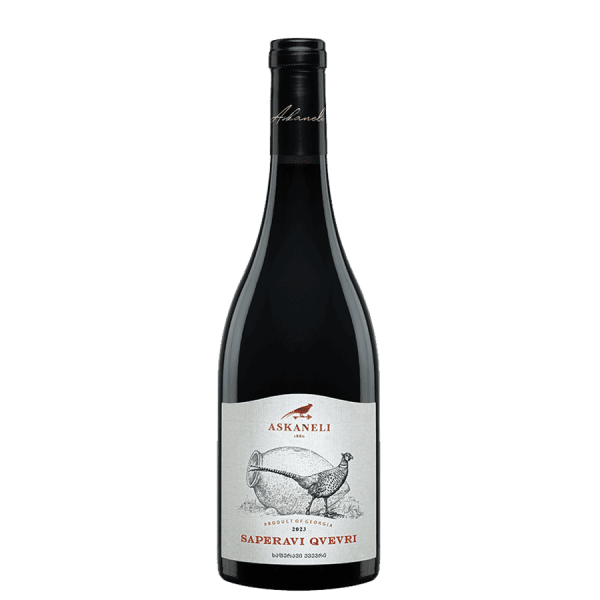
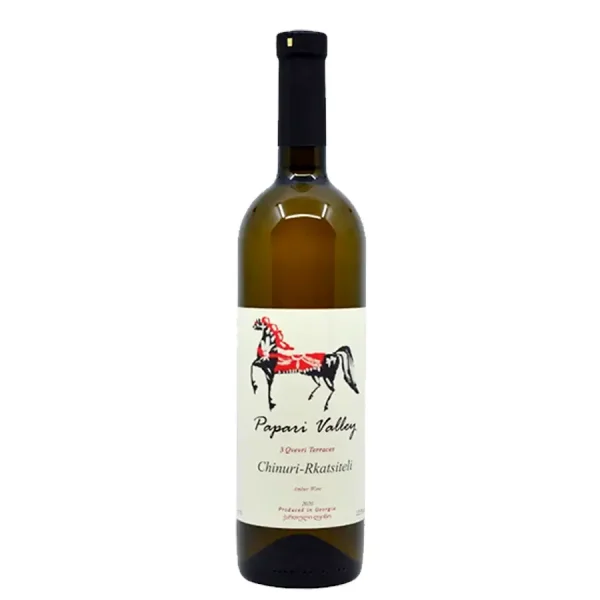
Amber wine — Georgia’s 8,000-year-old secret
Amber wine — also called orange wine — is white wine made the red wine way: the grape skins are left in contact with the juice during fermentation. The result is a wine with a deep golden or amber hue, grippy tannins you’d never expect from a white, and a complexity that has taken the natural wine world by storm. And while the trend may feel new, Georgia has been making wine this way for millennia.
What is qvevri and why does it matter?
Qvevri (also spelled kvevri) is a large egg-shaped clay vessel used in Georgia for fermenting and ageing wine. The vessel is buried in the ground up to its neck, which keeps the temperature naturally stable throughout the year — no temperature-controlled cellar needed. After harvest, crushed grapes (juice, skins, seeds, and sometimes stems) are poured into the qvevri and sealed with a beeswax lid. Fermentation happens naturally, with wild yeasts, and the wine ages on the skins for anywhere from a few months to a year.
UNESCO inscribed the ancient Georgian qvevri winemaking tradition on its Intangible Cultural Heritage list in 2013 — recognition that this method is not a trend, but a living civilisation practice.
What does Georgian amber wine taste like?
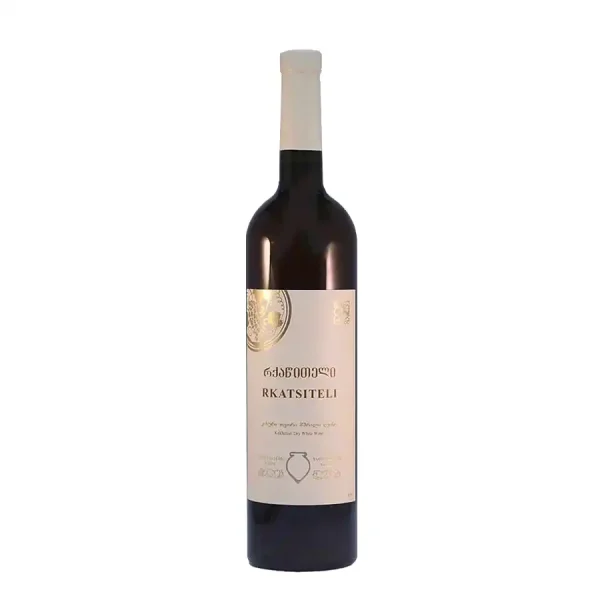
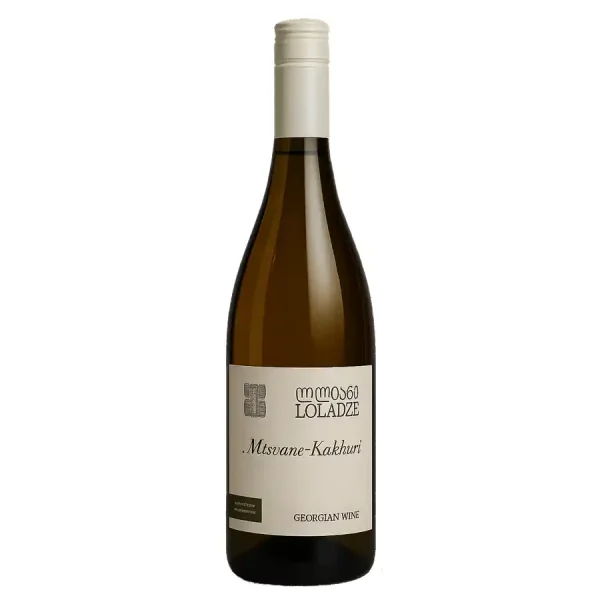
Expect nothing like a standard white wine. Georgian amber wines — especially those made from Rkatsiteli, Mtsvane, or Kisi in qvevri — have a distinctive tannin structure that makes them feel almost like a light red on the palate. Typical tasting notes include dried apricot, orange peel, walnut, chamomile, and a nutty, oxidative quality from extended skin contact. The finish is long, dry, and mineral. They are wines you chew, not just sip.
Key Georgian amber wine grape varieties
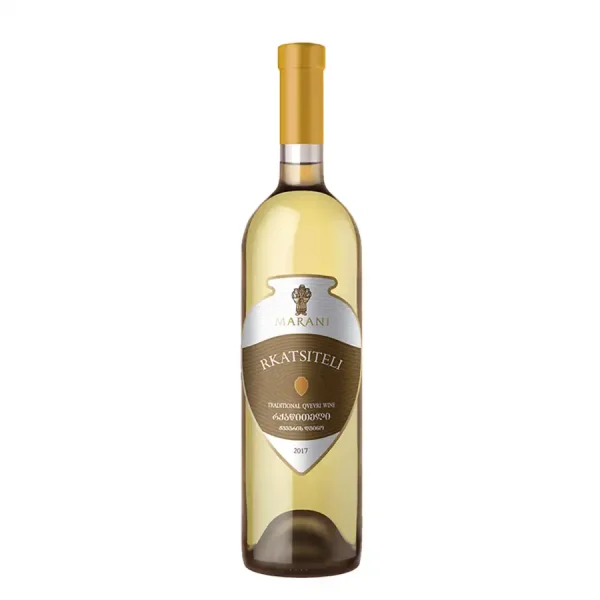
- Rkatsiteli — the workhorse of Georgian amber wine, high acidity, apple and citrus backbone
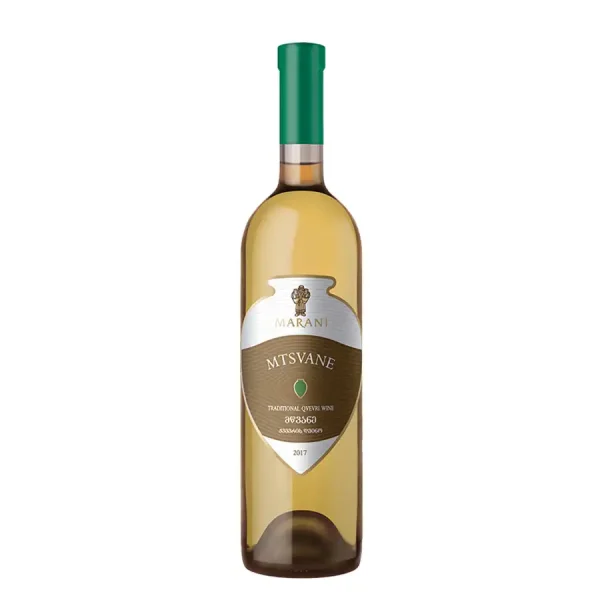
- Mtsvane — lighter, more floral style of amber wine, slightly less tannin
- Kisi — rare, aromatic, produces some of the most complex and age-worthy amber wines
- Chinuri — from Kartli region, fresher and lighter amber style
How to serve Georgian amber wine
Unlike most whites, Georgian amber wine benefits from decanting — 20 to 30 minutes in a carafe opens up the aromatics considerably. Serve at 14–16°C, slightly warmer than a standard white. It pairs exceptionally well with bold, textured foods: roasted duck, aged hard cheeses, mushroom dishes, and Georgian cuisine in general (khinkali, lobiani, chicken satsivi).
Wine degustation: explore Georgia’s amber wines
The best way to understand Georgian amber wine is to taste several styles side by side. Our amber wine degustation set includes three qvevri wines from different regions and grape varieties — ideal for a wine evening at home or as a gift for the curious wine lover.